
All days, 10 AM to 8 PM +971 56 100 9292
Home / Treatments / Hair & Laser / Hair PRP
Hair & Laser

Hair PRP

Supports thinning hair with your own plasma.
Overview

About Hair PRP

Hair PRP uses platelet-rich plasma from your own blood to support thinning hair. Your doctor injects the plasma into the scalp, where growth factors act on the hair follicles.

Uses your own blood, with no synthetic filler
Supports hair follicles in thinning areas
Sessions of 45 to 60 minutes
Little downtime
Works alongside other hair loss care
The Treatment

What to expect

01

Consultation

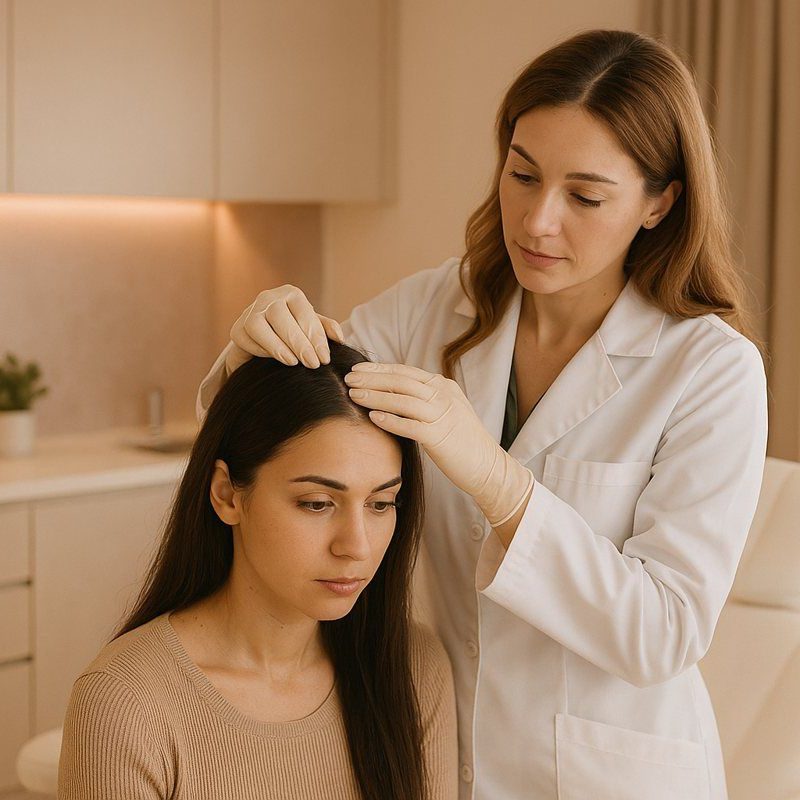
Your doctor reviews your history and goals, then agrees the plan with you before any treatment.

02

The procedure

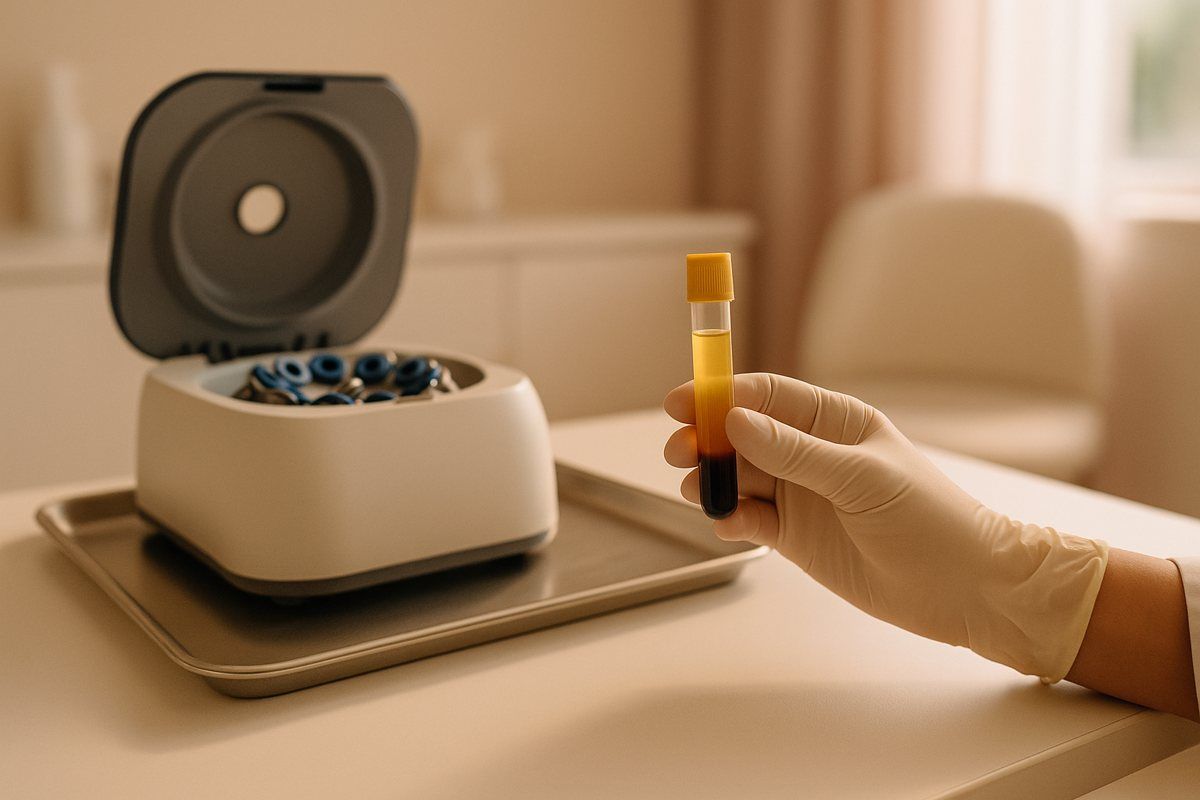
A nurse takes a small blood sample from your arm. A centrifuge separates the platelet-rich plasma. A numbing cream or cold spray goes on your scalp. Your doctor then injects the plasma across the thinning areas with a fine needle.

03

Recovery

Expect mild tenderness, redness or tightness on the scalp for 1 to 2 days. Most people return to work the same day. Skip hair washing for 12 to 24 hours. Skip hair dye, heat styling and intense exercise for 48 hours.

Suitability

Is this treatment right for you?

Suited to you if

  • You have early to moderate hair thinning
  • You notice more shedding or a wider parting
  • You want a non-surgical option

Your doctor asks you to wait if

  • Blood disorders and blood-thinning medication need a doctor assessment first
  • Not suitable during pregnancy or with an active scalp infection
FAQ

Common questions

Still unsure? Message our team and a doctor answers your question.

How many hair PRP sessions do you need?

Most plans start with 3 to 4 sessions, spaced 4 weeks apart. Maintenance sessions follow every 4 to 6 months.

When do hair PRP results show?

Most people notice less shedding first. Changes in thickness take 3 to 6 months. Results vary.

Does hair PRP hurt?

Most people feel brief stinging. Numbing cream reduces discomfort.

Is hair PRP safe?

PRP comes from your own blood, so allergic reactions are rare. Side effects include tenderness, small bruises and a mild headache.

Book a Consultation

Start with a conversation

Message us on WhatsApp. A coordinator replies with available times.