
Hair PRP: How Many Sessions, Who Suits It and What to Expect
Hair PRP uses platelet-rich plasma from your own blood to support thinning hair. See which hair loss types respond, how many sessions you need, when results show and how to care for your scalp after treatment.

Quick Answer
- What: Platelet-rich plasma from your own blood, injected into the scalp to support hair growth
- Suits: Early to moderate thinning, pattern hair loss and temporary shedding
- Course: Often 3 to 4 sessions, 4 weeks apart
- Maintenance: A session every 4 to 6 months
- First changes: Less shedding in 6 to 8 weeks. Thicker hair from around 3 months.
- Treatment time: Around 45 minutes, including blood draw
- Downtime: Little to none
What Is Hair PRP?
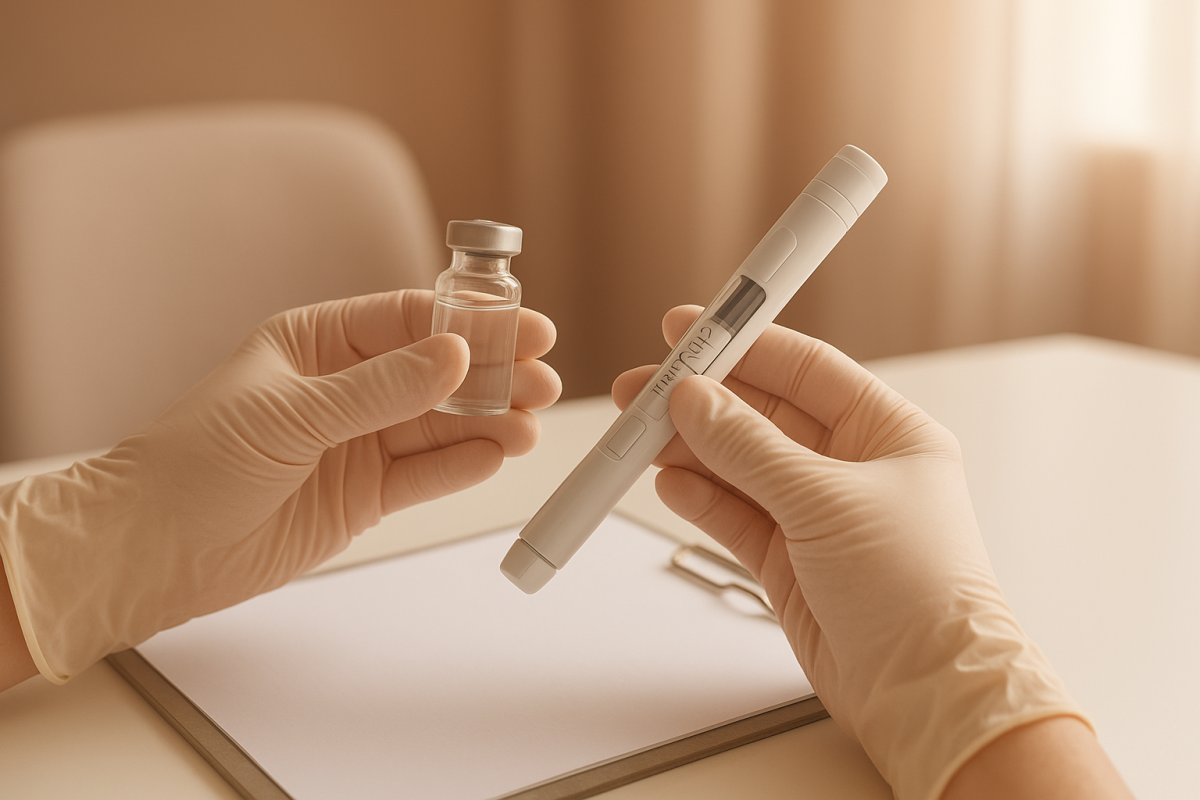
PRP stands for platelet-rich plasma. Your doctor takes a small blood sample and spins the sample in a centrifuge. The spin separates platelets from red cells. Platelets carry growth factors, proteins involved in tissue repair. Your doctor injects the concentrated plasma into thinning areas of the scalp.
The growth factors support weak hair follicles. The aim is to extend the growth phase of each hair, thicken fine hairs and reduce shedding. See the hair PRP treatment page.
Which Types of Hair Loss Respond to PRP?
| Type of Hair Loss | Typical Signs | PRP Response |
|---|---|---|
| Pattern hair loss in women | Widening part, thinning on top | Often good, in early to moderate stages |
| Pattern hair loss in men | Receding hairline, thinning crown | Often good, in early to moderate stages |
| Temporary shedding after illness, stress or childbirth | Diffuse shedding 2 to 3 months after the trigger | Supports faster recovery |
| Patchy hair loss | Round, smooth bald patches | Doctor assessment first. Other treatments come first. |
| Scarring hair loss | Shiny, smooth skin with no follicles | Does not respond |
| Complete baldness in an area | No visible hairs left | Does not respond. PRP needs living follicles. |
Who Suits Hair PRP?
- Men and women with early to moderate thinning
- People with a widening part or a thinner ponytail
- People with shedding after childbirth, illness or a stressful period
- People wanting a drug-free option alongside other hair treatments
- People after a hair transplant, to support healing and density
Who Should Avoid or Delay Treatment?
| Situation | Guidance |
|---|---|
| Blood or platelet disorders | Avoid |
| Blood-thinning medication | Doctor assessment first |
| Active scalp infection or skin condition | Wait until treated |
| Cancer under active treatment | Avoid |
| Pregnancy or breastfeeding | Wait |
| Low iron, thyroid or vitamin levels | Correct first. PRP works better on a healthy base. |
Why Does Your Doctor Check the Cause First?
Hair loss has many causes. PRP gives better results once the cause is known. Your doctor asks about your diet, stress, medication, periods and family history. Blood tests often check:
- Iron stores (ferritin)
- Thyroid function
- Vitamin D and B12
- Hormones, where signs point to a hormonal cause such as PCOS
Read laser hair removal with PCOS to see how hormones affect hair growth on the body and face.
What Happens at Your Appointment?
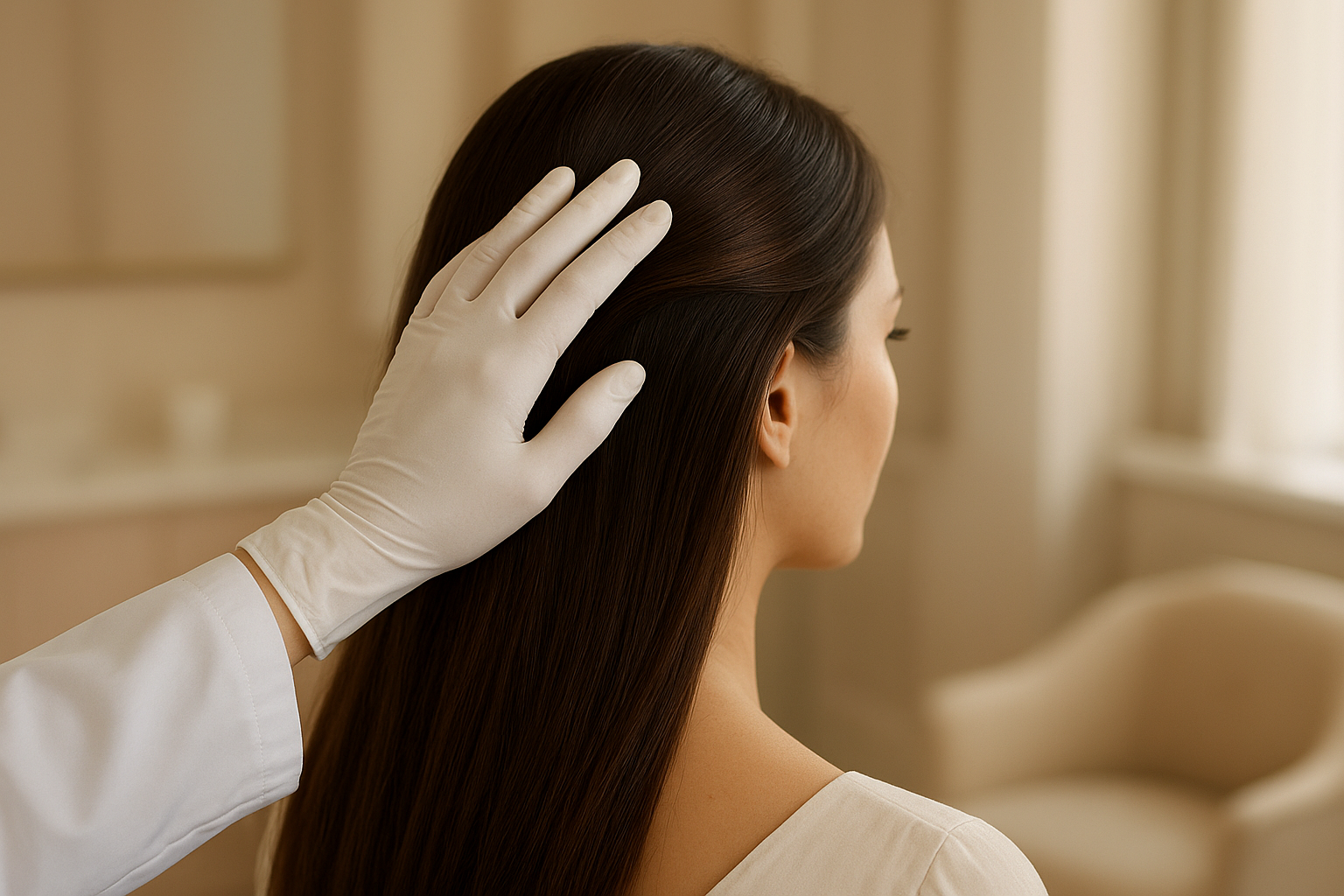
- Consultation: Your doctor reviews your hair history and examines your scalp.
- Blood draw: A nurse takes a small blood sample from your arm, similar to a routine blood test.
- Preparation: A centrifuge separates the platelet-rich plasma in around 10 minutes.
- Scalp care: Your doctor cleans the scalp and numbs sensitive areas.
- Injection: Fine injections spread the plasma across thinning areas.
- Aftercare advice: Your doctor explains the rules for the next 48 hours.
Does Hair PRP Hurt?
Most people feel a stinging pinch with each injection. The front hairline and temples feel more sensitive than the crown. Numbing cream, cool air and vibration tools ease discomfort. The scalp feels tender for a day.
How Many Sessions Do You Need?
| Phase | Schedule | Purpose |
|---|---|---|
| Initial course | 3 to 4 sessions, 4 weeks apart | Start follicle response |
| Review | 3 months after the first session | Compare photos and hair density |
| Maintenance | 1 session every 4 to 6 months | Hold results |
Results fade over time without maintenance, as the underlying cause of thinning stays active.
When Do You See Results?
| Time After First Session | What to Expect |
|---|---|
| Week 1 to 2 | Scalp tenderness settles. No visible change. |
| Week 6 to 8 | Less hair in the brush and shower |
| Month 3 | Fine new hairs along the part and hairline |
| Month 6 | Thicker hair and better coverage for many people |
Hair grows around 1 centimetre a month, so visible change takes patience. Your doctor takes photos at each visit to track progress.
What Should You Do After Treatment?
- Wait until the next day before washing your hair
- Skip intense exercise, saunas and steam for 24 to 48 hours
- Avoid hair dye, bleach and chemical treatments for 72 hours
- Avoid heat styling for 24 hours
- Skip anti-inflammatory painkillers for 3 days, unless your doctor advises otherwise. Paracetamol suits mild tenderness.
- Avoid direct sun on the scalp for 48 hours. Wear a loose hat outdoors.
What Are the Side Effects?
- Tenderness and a tight feeling on the scalp for a day
- Mild swelling, sometimes reaching the forehead the next morning
- Small bruises at the blood draw site or scalp
- Temporary increase in shedding for a few weeks in some people
- Rare: infection at an injection point
PRP uses your own blood, so allergic reactions are rare.
How Does Hair PRP Fit With Other Treatments?
- Topical and oral treatments: Your doctor prescribes these where suitable. PRP works well alongside them.
- Scalp microneedling: Creates fine channels to support product absorption
- Nutrition: Protein, iron and vitamin intake support hair growth
- Wider hair plans: See hair treatment for other options at Diva Clinic
How Does Life in Dubai Affect Your Hair?
- Hard water leaves mineral build-up on the scalp and hair. A shower filter helps.
- Heat and sweat under hats and scarves irritate the scalp. Wash often with a gentle shampoo.
- Strong sun dries the hair shaft and scalp. Cover your head outdoors.
- Many women notice shedding 2 to 4 months after childbirth. PRP suits this phase once breastfeeding ends.
Frequently Asked Questions
Does hair PRP regrow hair on bald areas?
No. PRP supports existing follicles. Fully bald areas with no visible hair do not respond.
Is hair PRP safe?
PRP uses your own plasma, so the risk of reaction is low. A doctor checks your health and blood results first.
How long do results last?
Results often hold for 12 to 18 months after a full course. Maintenance sessions every 4 to 6 months extend results.
Do men and women see the same results?
Both respond well in early stages. Your doctor adjusts the plan by pattern and cause.
Do you need time off work?
No. Most people return to work the same day. Plan your hair wash for the next day.
Does PRP work for postpartum hair loss?
Postpartum shedding often settles on its own within a year. PRP supports faster recovery once breastfeeding ends.
Related Guides
- Laser Hair Removal With PCOS
- Post-Summer Skin Repair in Dubai
- Pre-Wedding Aesthetic Timeline
- Salmon DNA Skin Treatment: The Complete Guide
Book a Consultation
Noticing more hair in your brush? Message us on WhatsApp to book your consultation.
This article is for general educational purposes and does not replace a personalised consultation with a licensed medical aesthetics provider. Individual results vary.